

Volunteering gives you a way to spend your free time on something you can see getting done: a meal prepared, a garden watered, a neighbor helped. Its benefits can include a better mood, more movement, stronger connections, new skills, and support for your community. Those gains start with useful work; choosing a manageable commitment helps you keep doing it.
Support Your Mood and Sense of Purpose
Picture the end of a community-kitchen shift. The meals are ready, the preparation counter is wiped down, and the utensils you used are back in their places. You arrived with a job to do, and now it is done. That clear finish can be satisfying when other parts of your life feel unresolved.

The satisfaction comes from knowing where your effort went. Chopping vegetables or packing meals gives your attention somewhere concrete to settle, offering a break from everyday worries. When discussing volunteering and mental health, that sense of purpose matters: you have contributed something useful, even if the rest of your day was difficult. You leave with a task completed, not another task carried home.
Add Movement to Your Routine
In a community garden, useful work can get you moving without making movement the whole point. Imagine walking between beds with a watering can, crouching beside a plant, then feeling the damp weight of soil as you loosen it with a hand tool. Your body has a job, too.
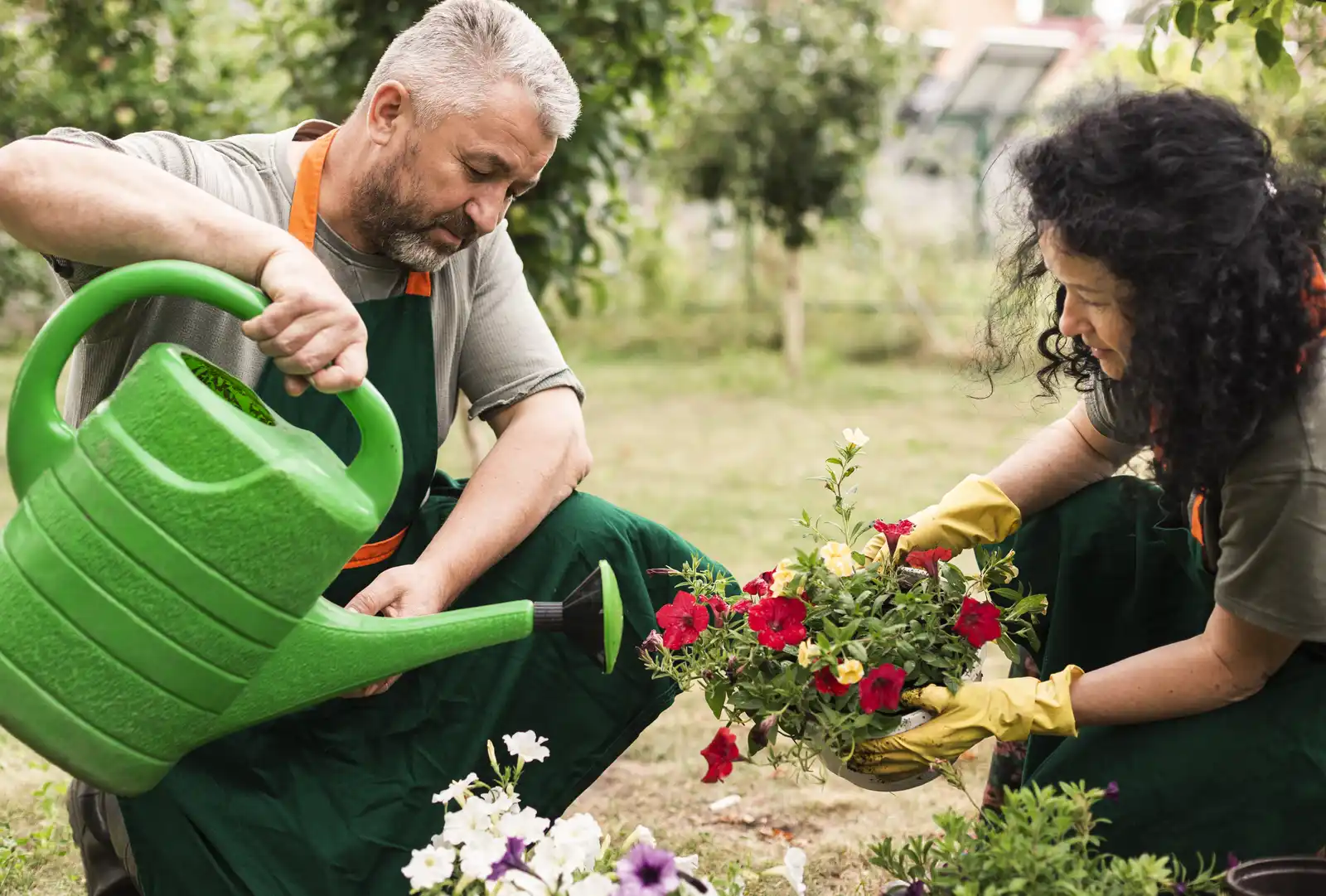
That work may suit you better than another activity on your to-do list, especially if you enjoy being outdoors. Physical volunteer benefits depend on the duties: a seated phone-support role offers something different. Before taking a garden shift, ask how much standing and lifting it involves, where you can take breaks, and whether the facilities are accessible. Choose the task that lets you participate comfortably; carrying the heaviest crate is not the measure of your contribution.
Build Connections Through Shared Work
A recurring food-pantry shift gives conversation a starting point. You do not have to walk into a room and produce an interesting story about yourself. You can ask where the tins go. Next time, you may remember the name of the person sorting beside you.

That familiarity gives a relationship room to grow without demanding instant friendship. Picture a later shift: you and the same coworker are sorting donations across a folding table. You pass over a tin, and they ask how your week went. This time, you have something to tell them.
Learn Skills and Explore Your Interests
Volunteer work can let you practice an unfamiliar skill with someone who knows the job. Imagine helping a nonprofit prepare an event: the coordinator shows you how to enter registrations, spots a duplicate in your first batch, and explains how to catch it. You try again. The next batch needs no correction.
That small success is different from merely being told you are gaining experience. You can name what you learned and explain how you used it, including in a job interview. The benefits of community service as a learning opportunity depend on that kind of instruction and feedback. Ask who will teach you, then look for a task that stretches an interest you already have. You might discover that you enjoy organizing the event more than attending it.
Help Your Community Meet Real Needs
The benefits of volunteering for the community begin with something the organization has actually requested. Imagine a shelter delivery arriving with the supplies staff have been waiting for. Your job is to sort the boxes, put matching items together, and place them where staff can find them. When someone needs those goods, the sorting is already done.
This is useful work even when it attracts no attention. Staff know what is needed; you contribute time to help get it ready. The benefits of helping others can flow back to you as a clearer understanding of local needs and a stronger sense of belonging. You are taking part in an existing effort, with a job that matters to the people doing the next one.
Choose a Commitment You Can Sustain
A role needs to fit your life as well as your interests. Ask what a shift involves, who provides training, and whom you can approach for help. A short project or trial shift gives you something concrete to judge: did you enjoy the work, and did you have enough energy afterward?
Money belongs in that decision. If getting to a weekly shift would mean paying for transport with money you need for groceries, a nearby or remote task may be the better contribution. The benefits of service should not depend on making your own week harder to afford. Tell the coordinator what you can offer, including whether extra duties are possible.
Start with a commitment you can reliably keep, even if that means one shift a month.
Key Takeaways
- Look for a task whose finished result you can recognize.
- Match active work to the movement you enjoy and can manage.
- Give shared shifts time to turn familiar faces into connections.
- Seek instruction and feedback when learning a skill.
- Put the organization’s requested work at the center of your contribution.
Frequently Asked Questions
What Are 5 Benefits of Volunteering?
Five potential benefits are improved mood, physical activity, social connection, skill development, and meaningful community support. Choose according to what you want to experience: a garden shift offers active work, while helping organize an event gives you a chance to practice planning.
What Is the Golden Rule of Volunteering?
A useful golden rule is to let the needs and preferences of the people you support guide your help. If shelter staff ask you to sort a delivery in a particular way, follow their system so they can use the supplies when needed.
What Are 10 Reasons Why Someone Should Volunteer?
Ten reasons to consider volunteering are supporting a cause, meeting neighbors, easing loneliness, adding structure, enjoying purposeful activity, practicing skills, exploring a career, understanding local needs, contributing expertise, and strengthening a community organization. Pick the reason that matters most to you, then connect it to a task: someone interested in event planning might help with registrations.
What Are the Four C’s of Volunteering?
There is no single, universally accepted set of four C’s for volunteering. If a coordinator uses that phrase, ask what it means in that organization’s work—for example, whether “commitment” means attending a regular shift or completing a particular project.
What Are the 5 Core Values of a Volunteer?
There is no universal set of five core values; organizations define their own. Ask how the organization’s values apply to your task: handling participant information, for example, calls for protecting confidentiality, not simply agreeing that privacy matters.
Can You Explain Why Volunteering Is Good for Someone Who Feels Isolated?
Volunteering can give someone who feels isolated a shared task and a recurring reason to talk with other people. A regular library-program shift can build familiarity with the same team over time. Choose work that includes interaction so there is room for those conversations to begin.
Choose One Meaningful Way to Help
Choose a cause you care about and ask for one manageable task. It does not have to announce a new identity or fill your calendar; it needs to be useful. At your first kitchen shift, pick up the cloth and wipe the preparation table clean.